
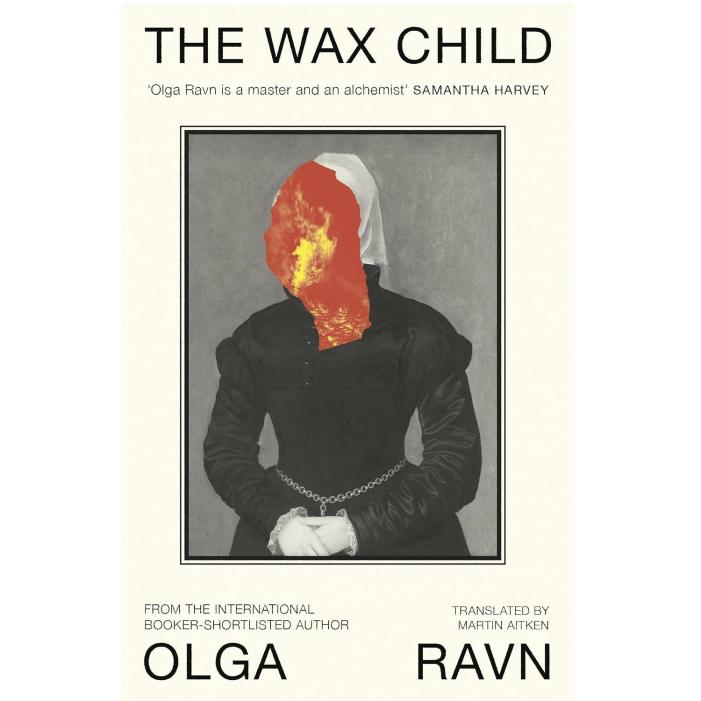
The Wax Child by Olga Ravn
Problem is, if you’ve made a beeswax child with real hair and fingernail parings and a weary view of human life who can seemingly see into the future, (“I saw steam locomotives, the smallest particle split and explode”), and certainly see the present (and what it might mean) then you better watch out. Especially as the usual male suspects are obsessed with finding and killing ‘witches’ (aka innocent women). In the seventeenth-century there was never better sport than burning women at the stake. A dire warning that brutish male authority was never to be questioned or challenged. In Olga Ravn’s weird and compelling tale, protagonist Christenze and her wax child create problems wherever she goes. She’s charismatic, brings women together, she’s fun. Except it’s the kind of fun that makes men suspicious and leads to ruin. Her fun (sorcery) has nothing to do with the devil or God, as it’s rooted and fully part of the natural world; trees, plants, the earth. Unfortunately, in the 1600s that’s the behaviour of a witch. A witch with a sentient beeswax child, who narrates this tale with a kind of odd, poetic and grim inevitability, “I see the king with the smell of the eye. The wind travels far; across the bay alone with this vision. He is impelled to issue a commandment.” Superbly translated by Martin Aitken, the book’s otherworldliness, creepiness and dread in no way lost in translation. Olga Ravn’s The Wax Child is one of the paperbacks of the year.
The Wax Child – Olga Ravn (translated by Martin Aitken) – publ. by PenguinSteven Long

Sign Up To Little Crack