
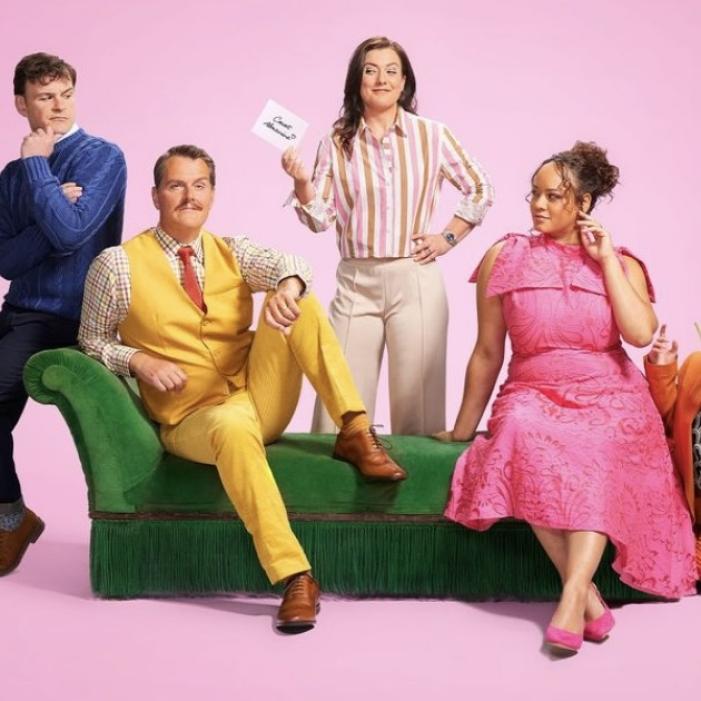
The Marriage of Figaro of Theatre Royal
Difficult to imagine that back in the late eighteenth century Beaumarchais’ trio of plays (and, indeed, the operas based on them) about wily servant Figaro presented a political hot potato. Valets and barbers weren’t supposed to be smarter than their upper-crust employers, nor to broker marriages, elopements and reconciliations via cunning plans. They most certainly weren’t supposed to foil aristocratic seductions, and least of all should they be shown to harbour dangerous Republican ideals in the years dangerously close to the French Revolution ( Se vuol ballare, signor contino…) So when Mozart’s operatic adaptation of “The Marriage of Figaro” was first performed in Vienna in 1786 it gained a mixed response. Part of this came too from its novel mixing of the lyrical with the broadly comedic, evident as much in the score as in the plot. Duke Almaviva has grown tired of the wife that Figaro helped him win, and now has his eyes on her maid (in this update, personal assistant) Susanna, despite that the fact that she’s about to marry Figaro – who iso also being pursued by the rather more mature Marcellina, housekeeper to Dr Bartolo who plots his own revenge on – you guessed it – Figaro. (Different story, opera and composer – see Rossini’s “Barber of Seville”) Add to this a breathlessly amorous page-boy in love with every woman he sees plus the machinations of gardener, singing master and lawyer and you have a richly farcical plot full of disguise, deception and unlikely revelations. But you also have a heart-wrenchingly sad story of a loyal but betrayed wife, plus a running commentary about entrenched positions of class, wealth and privilege. Opera North perhaps studs this heady mixture with too many clever bits of business and distracting props (no-one should have to strain to reach a too-high coat rack while singing, and that staircase really shouldn’t shift alarmingly) but its updating to show a seedy modern aristocracy still going through the motions though the stately home now has guided tours and the peasants are cleaning staff, worked remarkably well. Singing was superb throughout, costumes and body language impeccably suited to character status and there was a concession to 21st century opinion in the final ambiguous response of the Countess (deliciously sung by Gabriella Reyes). While such tight ensemble playing makes it difficult to single out individuals, kudos to Daniel Norman whose Basilio presented a perfectly observed comic turn and to Hongni Wu as a thoroughly engaging Cherubino, torn breathlessly between adolescent energy, longing and self-awareness. And Hera Hyesang Park’s vocal delivery and acting as a wryly perceptive, confident Susanna were simply a joy.
Gail-Nina Anderson
Sign Up To Little Crack